On February 9, 2025, teachers and public employees in Sulaymaniyah took to the streets after waiting months for their unpaid salaries. The region was already in deep financial trouble — Baghdad had cut funds to the Kurdistan Regional Government (KRG), and local authorities failed to pay workers on time. People were fed up and wanted answers.
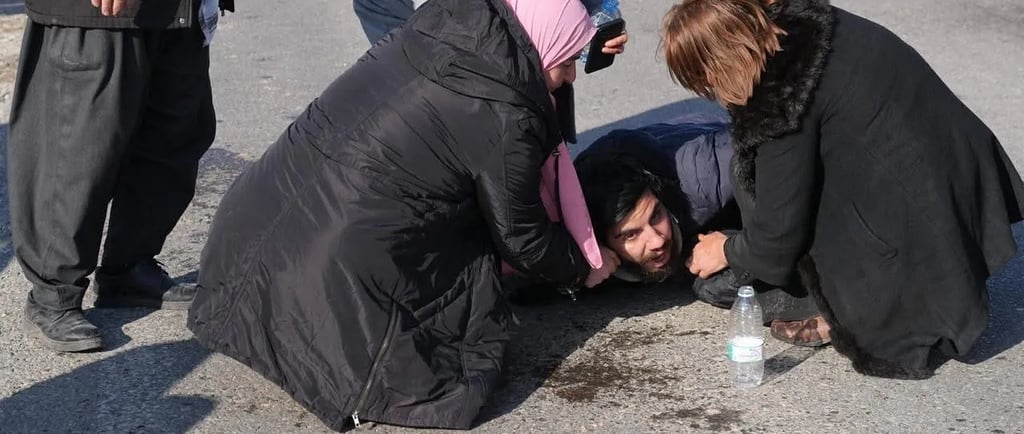
As protesters tried to march toward Erbil, they were stopped at the Degala checkpoint, where security forces quickly turned violent. Tear gas filled the air, and journalists covering the event became the main target. Twelve media teamswere there doing their jobs, but instead of being protected, they were attacked.
Here’s what happened:
22 journalists were hit with tear gas.
Two reporters were arrested.
One TV station was raided that same day.
Armed Asayish officers stopped NRT TV’s Shiraz Abdullah and Ali Abdulhadi from filming.
Multiple journalists collapsed from tear gas exposure and had to be hospitalized, including members of Zhyan Media and Slemani News Network.
Equipment was damaged or confiscated from crews of Kurdsat, Speda TV, Payam TV, and others who were covering the protest.
The protest itself was peaceful — teachers and workers were only asking to be paid. But what followed showed the reality of free speech in Kurdistan: anyone who tries to show the truth becomes a target.
Aftermath:
Press freedom organizations, including the Committee to Protect Journalists (CPJ), condemned the attack and called it part of a growing pattern of silencing media in the region.
Local anger grew as people saw how security forces treated peaceful protesters and reporters.
The event proved once again that in Kurdistan, even asking for your basic rights can lead to violence and fear.
Source: https://cpj.org/2025/02/dozens-of-iraqi-kurdistan-journalists-teargassed-arrested-raided-over-protest/